
Designing for Rising Temperatures: How Solar Shading Supports Modern Living

A recent article from the BBC highlights a growing reality: rising temperatures are beginning to reshape how we design, build and experience our spaces.
As summers become warmer and periods of intense heat more frequent, the way buildings respond to solar gain is becoming an increasingly important consideration. This is particularly relevant in modern architecture, where large expanses of glazing are often used to maximise natural light and strengthen the connection between indoor and outdoor spaces.
While these design choices create bright, open environments, they can also introduce challenges. Solar heat gain through glass can quickly raise internal temperatures, leading to discomfort, increased reliance on cooling systems and reduced usability of certain spaces during warmer periods.
The challenge of balancing design and comfort
For architects and developers, the challenge is no longer simply about aesthetics or maximising daylight. It is about creating spaces that remain comfortable and functional throughout the year, without compromising the original design intent.
Traditional approaches to managing heat, such as air conditioning, address the symptoms rather than the cause. As expectations shift towards more sustainable and energy-conscious design, there is a growing emphasis on passive solutions that work with the building, rather than against it.
The role of solar shading in modern buildings
Solar shading plays a key role in this approach. By reducing the amount of direct sunlight entering a space, shading systems can help to limit heat build-up, control glare and protect interior finishes from prolonged UV exposure.
Importantly, the most effective solutions are those that integrate seamlessly with the building design. Rather than appearing as an afterthought, they should support the overall architectural vision while improving day-to-day usability.

A discreet, design-led solution
At Phantom Screens UK, our retractable solar shading solutions are designed to do exactly that.
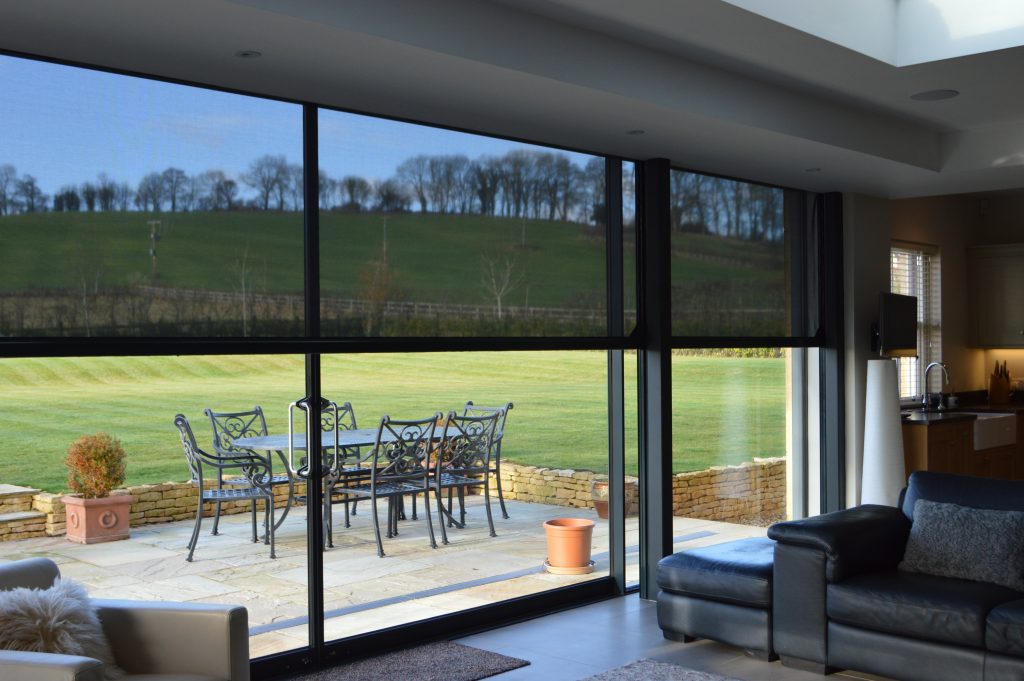
By remaining hidden when not in use, these systems preserve clean sightlines and maintain the intended appearance of the space. When deployed, they provide effective solar control, helping to create more comfortable environments without introducing permanent visual barriers.
This flexibility allows occupants to respond to changing conditions throughout the day, balancing natural light, shade and ventilation as needed.
Designing for the future
As highlighted in the BBC article, rising temperatures are no longer a future concern – they are already influencing how we think about buildings today.
Designing for this shift means considering how spaces will perform not just in ideal conditions, but during periods of heat and high solar exposure. Solar shading is becoming an essential part of that conversation, offering a practical and design-conscious way to improve comfort and energy performance.
The question is not whether to incorporate shading, but how to do so in a way that enhances both the building and the experience of those who use it.
Other Posts
Industry News

Insect News

Insect News
Our solutions
Explore more products in our range


