
Why Feeling Connected to Outside Space Matters for Everyday Wellbeing

Modern homes are increasingly designed around connection – between spaces, between light and architecture, and between the home and the outdoors. Large windows, sliding doors and bifold doors have become central features of contemporary living because they allow natural light to flow in and strengthen the relationship between indoor and outdoor environments.
But this connection is about more than just aesthetics. Feeling visually and physically connected to outdoor space can play an important role in everyday wellbeing, influencing how comfortable, relaxed and focused we feel at home.
With Mental Health Awareness Week encouraging conversations around wellbeing, it’s a useful moment to reflect on how the spaces we live in support our daily routines, mood and overall sense of comfort. Our homes play a significant role in shaping how we feel day to day, from the light we experience to the connection we have with the natural world outside.
When homes are designed to embrace light, airflow and garden views, everyday living becomes calmer, brighter and more enjoyable.
The role of natural light in everyday comfort
Natural light has a powerful effect on how we experience our homes. Bright, naturally lit spaces tend to feel more open, uplifting and comfortable to spend time in throughout the day.
Many homeowners find that rooms with generous glazing or garden-facing doors quickly become the most used areas of the home. Kitchens, dining areas and living spaces often benefit from this type of design because they allow daylight to move deeper into the house.
Beyond visual appeal, exposure to natural light is also widely linked to improved mood, better focus and more stable daily rhythms. When homes are designed to maximise daylight, they support both productivity and relaxation.
This is one reason why modern home design increasingly prioritises large openings, glazed extensions and open-plan layouts that allow light to move freely between spaces.
Fresh air and natural ventilation
Alongside light, fresh air plays a key role in creating comfortable living environments. Opening doors and windows allows natural ventilation to circulate through the home, helping regulate temperature and refresh indoor spaces. Even small moments of airflow can make rooms feel noticeably more comfortable, particularly during warmer months.
Many homeowners enjoy opening up their homes during the day to allow fresh air to move through living spaces. However, practical challenges can sometimes limit this. Insects, debris or strong sunlight can make it difficult to keep doors and windows open for extended periods. Addressing these small obstacles can make a significant difference in how often homeowners are able to enjoy natural airflow.
When ventilation becomes easy and comfortable to manage, indoor spaces feel fresher and more pleasant to spend time in.
The importance of visual connection
Even a simple visual connection to outdoor space can have a meaningful impact on wellbeing.
Views of gardens, greenery or natural landscapes often bring a sense of calm and balance to interior spaces. Even when indoors, maintaining a visual connection to the outside world can help spaces feel less enclosed and more open.
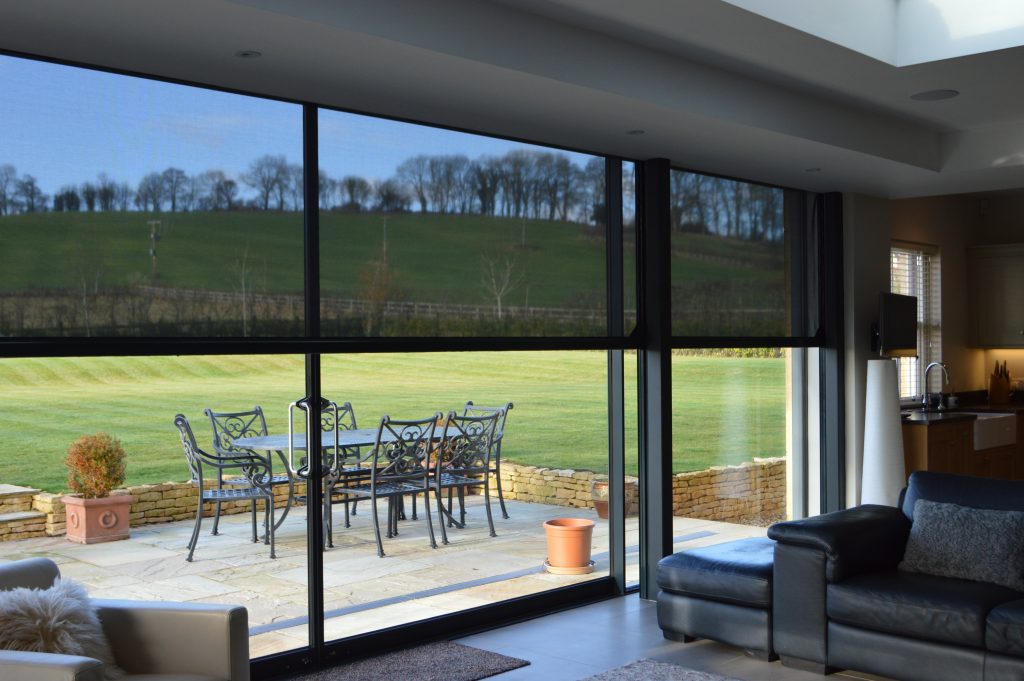
This visual connection is one reason why modern architecture frequently focuses on large glazed openings, sliding doors and bifold systems that blur the boundary between inside and outside.
When designed thoughtfully, these features allow homeowners to enjoy seasonal changes, natural light patterns and outdoor movement from inside the home, creating spaces that feel more dynamic rather than static.

Designing homes around indoor–outdoor living
As lifestyles evolve, many homeowners are prioritising designs that create a seamless relationship between interior and exterior environments.
Open-plan layouts, garden rooms and glazed extensions allow indoor spaces to expand visually into outdoor areas, creating flexible living environments that support different activities throughout the day.
Kitchen-diner extensions that open onto patios, living rooms with large sliding doors and garden-facing entertaining spaces all help create a more fluid relationship between inside and outside.
This type of design allows homes to adapt to daily life. A space may function as a quiet workspace during the morning, a social dining area in the evening and an open entertaining space when doors are fully opened to the garden.
By strengthening this connection to outdoor environments, homes can feel more spacious, adaptable and enjoyable to use.
Making open spaces comfortable to use
While large openings create beautiful connections to outdoor spaces, maintaining comfort inside the home is equally important.
For homeowners to fully enjoy open doors and windows regularly, practical considerations must be addressed. These include maintaining airflow, reducing glare, limiting debris and preventing insects from entering the home.
When these challenges are resolved, homeowners can keep doors and windows open more often and make better use of their living spaces.
Discreet solutions that support ventilation while preserving uninterrupted views help maintain the openness that modern homes are designed around.
Maintaining design while improving everyday usability
Large glazed doors and windows are often chosen for their clean lines and uninterrupted views. Any additional elements introduced into these spaces need to complement that architectural design.
Discreet fly screens can allow homeowners to enjoy natural ventilation while preserving the appearance of the opening. When not in use, retractable screens remain hidden within their housing, ensuring the architectural design of the space remains unchanged.
This is why retractable screening systems such as Phantom Screens are often specified for large openings, allowing homeowners to enjoy fresh air while maintaining the clean architectural lines of the space.
This balance between function and design helps homeowners enjoy their living spaces more consistently without compromising the overall look of their home.
Creating homes that support everyday wellbeing
Ultimately, homes that feel connected to the outdoors tend to support everyday living in simple but meaningful ways. Natural light creates brighter, more uplifting interiors. Fresh air improves comfort and airflow. Garden views add visual interest to living spaces.
As conversations around wellbeing continue to grow, particularly during Mental Health Awareness Week, it becomes increasingly clear that the spaces we live in can influence how we feel each day. Design choices that strengthen the relationship between indoor and outdoor environments can help create homes that support relaxation, focus and everyday comfort.
Indoor–outdoor living is not simply a design trend – it reflects a broader shift towards homes that prioritise wellbeing, usability and the simple pleasure of feeling connected to the world just outside the door.
Other Posts
Industry News

Insect News

Insect News
Our solutions
Explore more products in our range


