
How To Keep Your Home Cool Without Air Conditioning

When summer temperatures rise, many UK homes quickly become hot, stuffy and uncomfortable. While air conditioning is common in some parts of the world, it’s still relatively uncommon in British homes, leaving many homeowners looking for practical ways to stay cool.
The good news is that you don’t need air conditioning to create a more comfortable home. By understanding why homes overheat and using simple techniques such as shading, natural ventilation and reducing indoor heat, you can keep temperatures lower while using less energy. In this guide, we’ll explain how to keep a house cool without air conditioning and share practical tips that really work.
Why do homes become so hot?
Many UK homes are designed to retain heat during the colder months. Good insulation and improved airtightness help reduce heat loss during winter, but they can also make it harder for excess heat to escape during the summer.
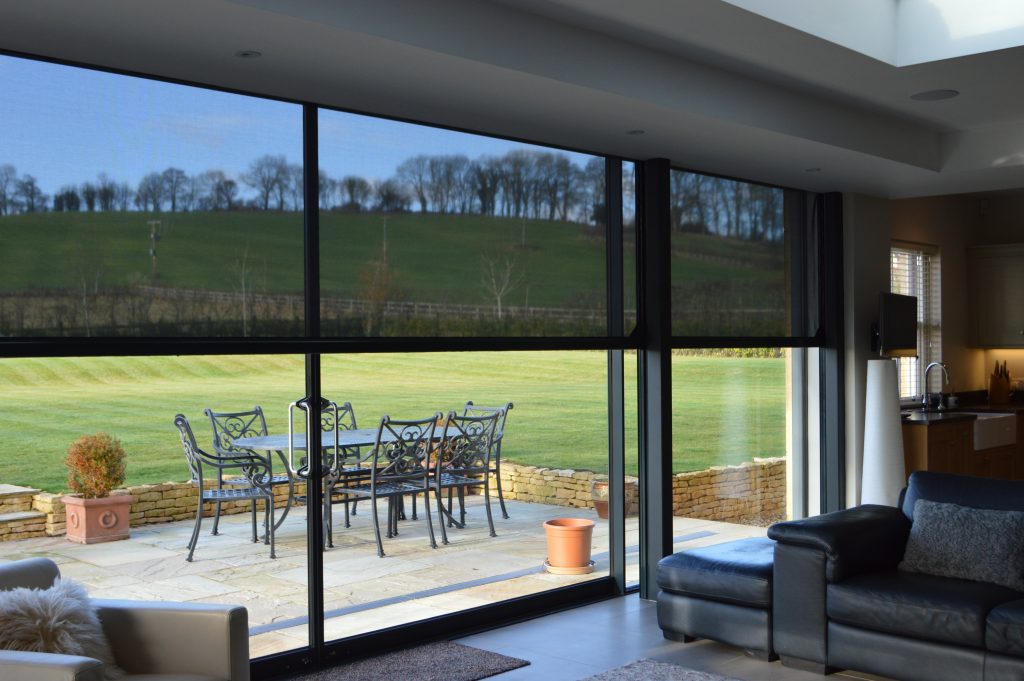
Large areas of glazing, including bifold doors, sliding doors and rooflights, can further contribute to overheating. Sunlight passing through glass creates what’s known as solar gain, warming the surfaces and air inside your home. Once that heat has built up, it can become trapped, especially if there isn’t enough natural ventilation to allow it to escape.
Heat also builds up through everyday activities. Cooking, electrical appliances, lighting and even multiple people occupying the same room all add to the indoor temperature throughout the day. During periods of prolonged warm weather, these sources of heat can combine to leave rooms feeling increasingly stuffy and uncomfortable. Understanding where heat comes from is the first step towards keeping your home naturally cooler.
Make the most of passive cooling
Passive cooling simply means keeping your home comfortable using natural methods instead of air conditioning. It focuses on reducing the amount of heat entering your home while allowing warm air to escape naturally. Many of these techniques are easy to put into practice and can make a noticeable difference when used together.
1. Reduce heat from direct sunlight
One of the biggest causes of overheating is solar gain, where sunlight passes through glass and warms the surfaces inside your home. Closing blinds or curtains on windows that receive direct afternoon sun can significantly reduce the amount of heat entering your living spaces. External shading, pergolas, awnings and trees can also help block sunlight before it reaches the glass. By limiting heat gain before it enters your home, rooms are more likely to remain comfortable throughout the day.
2. Improve natural ventilation
Fresh air is one of the simplest and most effective ways to cool your home naturally. Rather than opening a single window, create cross ventilation by opening windows or doors on opposite sides of your home. This encourages cooler air to flow through the property while allowing warmer air to escape. If your home has more than one floor, opening upstairs windows can be particularly effective. As warm air naturally rises, it can escape through higher openings while cooler air is drawn in at ground level, creating a continuous flow of fresh air throughout the house. For the best results, think about creating a pathway for air to travel through your home rather than simply opening one window.
3. Open windows at the right time
When temperatures climb, it can be tempting to throw every window open. However, if it’s hotter outside than it is indoors, this can actually bring more heat into your home. Instead, open windows early in the morning or later in the evening when outdoor temperatures are lower. During the hottest part of the day, closing windows, blinds and curtains on sun-facing rooms

4. Reduce heat generated indoors
Not all heat comes from outside. Cooking, electrical appliances and lighting all contribute to indoor temperatures, particularly during the afternoon and evening. Where possible, avoid using the oven during the hottest part of the day, switch off appliances when they’re not in use and replace older light bulbs with energy-efficient LED alternatives, which generate less heat. Running washing machines and dishwashers overnight can also help reduce unnecessary heat build-up during the day.
5. Keep bedrooms cooler
A cool bedroom can make a significant difference to your quality of sleep during warm weather. Close curtains during the day to reduce heat build-up, ventilate the room before bedtime and choose lightweight bedding during the summer months. Where it’s safe to do so, opening bedroom windows overnight can also help improve airflow and reduce stuffiness.
Enjoy fresh air without letting insects inside
Natural ventilation is one of the most effective ways to keep your home cool without air conditioning. However, many homeowners find themselves closing doors and windows because of flies, wasps, mosquitoes and other insects. This is where energy-efficient screening can make a real difference.
One of the biggest barriers to natural ventilation is the need to keep insects outside. Screening removes that compromise, allowing you to enjoy fresh air for longer while helping to keep unwanted insects where they belong. This makes it easier to keep doors and windows open, encouraging natural airflow and supporting the principles of passive cooling.
Phantom Screens are designed to integrate seamlessly with your home, providing discreet insect protection without compromising its appearance. Installed within the frame, they remain hidden until needed, allowing you to enjoy uninterrupted views and easy access to outdoor spaces.
Whether fitted to patio doors, bifold doors or windows, Phantom Screens help support natural airflow, making it easier to keep your home comfortable while reducing one of the biggest barriers to cooling it naturally.
A more comfortable home, naturally
Learning how to keep a house cool without air conditioning doesn’t require expensive technology or major home improvements. Simple changes such as reducing direct sunlight, improving cross ventilation, managing indoor heat and making better use of natural airflow can all contribute to a more comfortable home during warmer weather.
When combined with energy-efficient screening, these practical cooling techniques become even more effective, allowing you to enjoy fresh air throughout your home without the inconvenience of unwanted insects.
As UK summers continue to become warmer, making the most of natural ventilation is becoming increasingly important. Combined with simple cooling techniques, Phantom Screens help homeowners enjoy fresh air, uninterrupted views and greater everyday comfort while supporting a more energy-efficient home.
Other Posts
Industry News

Insect News

Insect News
Our solutions
Explore more products in our range


