
Simple Ways to Make Your Home Feel Cooler Naturally

As temperatures rise during the summer months, many homeowners find themselves searching for ways to keep their homes comfortable without relying entirely on air conditioning or other mechanical cooling systems.
While modern homes often feature expansive glazing, open-plan layouts and seamless indoor–outdoor living spaces, these design elements can sometimes contribute to heat build-up if not carefully managed. The good news is that creating a cooler, more comfortable home does not always require complex technology or major renovations.
Many of the most effective natural cooling strategies for homes focus on improving airflow, reducing solar gain and making better use of the building itself. When combined with thoughtful design features and discreet screening solutions, these approaches can help create more enjoyable living environments throughout the warmer months.
Why some homes feel hotter than others
Even homes built to a high specification can experience discomfort during periods of warm weather.
Several factors influence how comfortable a property feels, including:
- The amount of direct sunlight entering through windows and doors
- The effectiveness of natural ventilation
- Internal heat build-up from appliances and occupants
- Window orientation and glazing placement
- The availability of shade throughout the day
In many cases, the issue is not simply the outside temperature but how effectively the home manages heat and airflow. Understanding these factors can help homeowners make informed decisions about improving comfort naturally.
Maximise airflow throughout the home
One of the simplest and most effective forms of natural cooling for homes is encouraging better airflow. When air can move freely through a property, warm, stagnant air is replaced with fresher outdoor air, helping rooms feel cooler and more comfortable.
Create cross ventilation
Cross ventilation occurs when air enters from one side of a building and exits through another. Opening windows or doors on opposite sides of the home can encourage a natural flow of air, particularly during cooler mornings and evenings.
This approach is especially effective in open-plan layouts where airflow can move through multiple spaces without obstruction.
Make openings more usable
A common challenge during summer is that homeowners hesitate to leave doors and windows open because of insects, privacy concerns or practical day-to-day disruption. As a result, many ventilation opportunities are lost.
Discreet retractable fly screens can help overcome this issue by allowing windows and doors to remain open while helping to keep insects outside. This makes it easier to enjoy natural airflow in the home without compromising comfort.
Reduce solar gain before it enters
Once heat enters a building, it can be difficult to remove naturally. For this reason, reducing solar gain at the source is often one of the most effective cooling strategies.
Use external shading
External shading elements can help limit direct sunlight before it reaches glazing. Options may include:
- Architectural overhangs
- Pergolas
- External blinds
- Strategic planting
- Shading structures around outdoor spaces
These features can reduce heat build-up while maintaining natural daylight and visual connection with outdoor areas.
Consider window orientation
South and west-facing glazing often receive the most intense sunlight during warmer months. Understanding how sunlight moves across the property can help homeowners identify areas where additional shading or comfort measures may be beneficial.

Make the most of cooler parts of the day
Natural cooling strategies often work best when homeowners take advantage of temperature differences throughout the day. During early mornings and evenings, outdoor temperatures are frequently lower than indoor temperatures. Opening windows and doors during these periods can help flush accumulated heat from the home.
Later in the day, when temperatures peak, strategically managing solar exposure can help preserve cooler internal conditions. This simple approach can significantly improve comfort without increasing energy consumption.
Improve indoor–outdoor living comfort
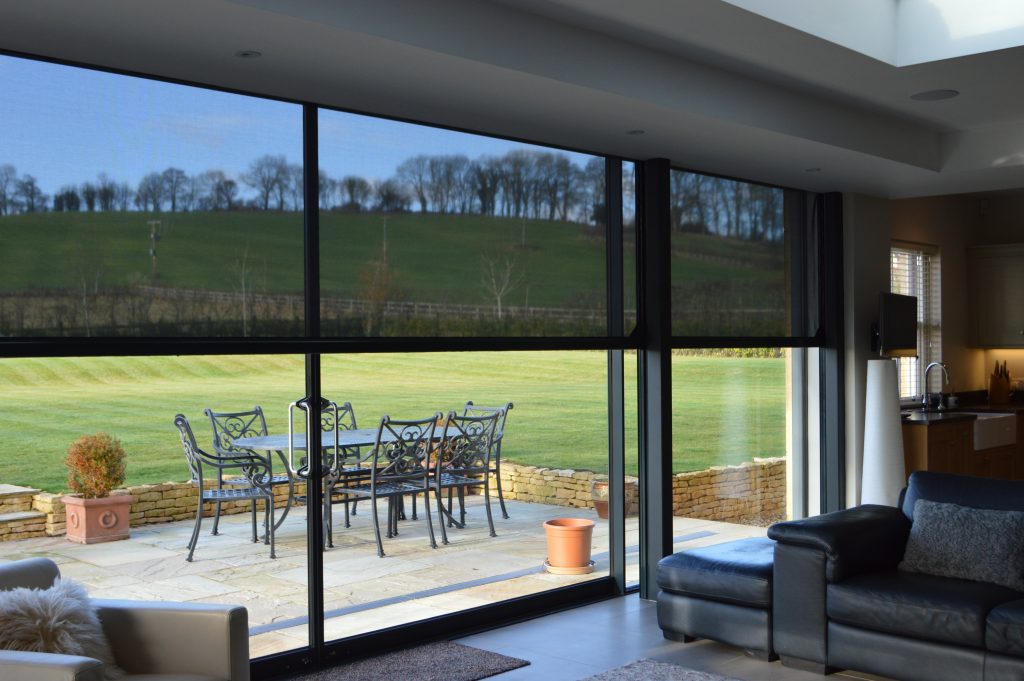
Many homeowners invest in large sliding doors or bi-fold systems to create stronger connections with gardens, terraces and outdoor entertaining spaces However, these openings only deliver their full benefit when they remain practical to use.
If insects enter the home every time doors are opened, occupants often keep them closed despite wanting fresh air and outdoor access. This can undermine both ventilation and indoor–outdoor living experiences.
Integrated insect screens allow homeowners to keep large openings accessible while maintaining comfort. By reducing unwanted disruption, they support more natural interaction between interior and exterior spaces throughout the summer.
Why design-led comfort solutions matter
Modern residential design increasingly focuses on clean lines, uninterrupted views and minimalist detailing. As a result, homeowners are often reluctant to introduce products or additions that compromise the appearance of carefully considered spaces.
The most effective comfort solutions are those that remain discreet while enhancing day-to-day usability. Retractable screening systems are designed with this balance in mind. Hidden when not required and available when conditions demand them, they support ventilation and comfort without distracting from the architecture itself.
This allows homeowners to improve summer comfort while preserving the design qualities that attracted them to the space in the first place.
Small changes can have a big impact
Creating a cooler home naturally does not necessarily require extensive alterations. Simple measures such as improving airflow, introducing shading, reducing unnecessary heat gain and making doors and windows easier to use can all contribute to a more comfortable living environment.
When these strategies are considered together, they create homes that feel more enjoyable throughout warmer weather and less dependent on mechanical cooling systems.
Creating homes that feel better all summer
The most successful homes are not simply designed to look beautiful; they are designed to work comfortably throughout changing seasons and daily conditions.
Natural cooling strategies for homes focus on supporting how people actually live. Better airflow, thoughtful solar shading, effective home ventilation and discreet screening solutions all contribute to spaces that remain practical, comfortable and enjoyable during warmer weather.
By integrating these considerations into both design and everyday use, homeowners can create living environments that feel cooler, more adaptable and better connected to the outdoors – without compromising architectural character or design intent.
Other Posts
Industry News

Insect News

Insect News
Our solutions
Explore more products in our range


