
Blurring the Line Between Inside and Outside with Open-Plan Living

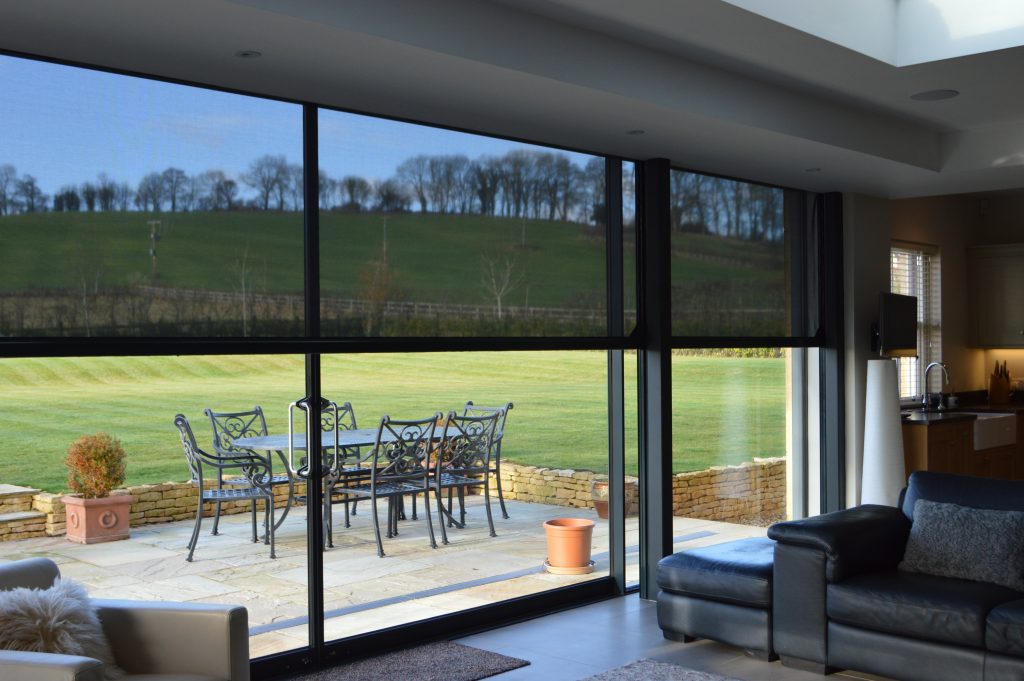
Open-plan living has changed how homes feel, not just how they’re laid out. Instead of moving between separate rooms, today’s homes are designed to flow – from kitchen to dining space, from living room to garden, from everyday living to moments that connect you with the outdoors.
As winter fades into spring, that connection becomes even more important. Homes start to open up again. Windows stay open longer. Doors slide back. Fresh air replaces the stillness of winter, and natural light fills spaces that felt closed off just weeks before.
Spring is when homeowners naturally start noticing how well their home really supports this lifestyle – not just visually, but practically and emotionally.
Why spring feels like a natural reset for open-plan homes
Spring is often when homeowners start planning upgrades – not necessarily full renovations, but improvements that make spaces easier to live in day-to-day.
In the UK, homes are designed to retain heat and maintain comfort through colder months. During winter, doors stay closed and windows open only briefly when absolutely necessary. Outdoor spaces often become something you look at, rather than somewhere you live in.
Then spring arrives – and naturally, everything changes. You start opening doors earlier in the day. You want fresh air in bedrooms overnight. You want kitchens to feel connected to gardens again. You want living spaces to feel lighter, fresher, more alive.
This seasonal shift highlights how well a home truly supports open-plan living, and is usually when homeowners begin to notice the small frustrations that interrupt that feeling.
Common questions often start to surface:
- Can we ventilate naturally without compromising comfort?
- Do insects become an issue once doors are open more often?
- Are large openings practical to use throughout the day?
- Does airflow feel controlled or draughty throughout the home?
Spring makes these factors visible very quickly. What worked in winter may not support how the space is used in warmer months.

The reality of indoor–outdoor living (beyond the Pinterest version)
Open-plan layouts create stunning spaces and are a popular choice for modern homes, but living with them day-to-day brings real considerations.
- Airflow and everyday comfort: Fresh air changes how a home feels. It can make spaces feel healthier, lighter and more energising. But uncontrolled airflow can also create cold spots, slamming doors or uneven temperatures.
- Living with nature – including the parts you don’t want: When doors stay open longer, insects naturally become part of the picture. Kitchens, dining areas and evening living spaces are usually where this is noticed first.
- Protecting the design you invested in: Homeowners choose open-plan layouts for light, space and clean sightlines. Any addition to those openings has to respect the design of the home – not compete with it.
Where Phantom Screens fit into modern open-plan living
Modern homes increasingly prioritise visual simplicity. Phantom Screens are designed around a simple idea; your home should open up when you want it to – without adding visual clutter when you don’t.
When retracted, they’re almost invisible. When in use, they’re discreet enough that the focus stays on your space, your light and your view. With made-to-measure installation and smooth, reliable operation, doors and windows still look exactly how they were designed to.
When in use, they help homeowners enjoy:
- Fresh air throughout the day – not just when insects aren’t around
- Protection from insects without blocking views or daylight
- Flexibility – fully open, screened, or closed depending on the moment
This flexibility is particularly valuable in spring and summer, when homeowners want to maximise their connection with outdoor spaces without introducing new compromises. For many homeowners, this is what makes open-plan living feel effortless – rather than something that needs managing or working around.
Homes that adapt to real life, not just design trends
As more homeowners move towards open, connected spaces, there’s a growing focus on solutions that support natural airflow, daylight and everyday usability without changing how the home looks or feels.
Discreet, retractable screening – like Phantom Screens – naturally becomes part of modern home design. Not as something you actively think about every day, but as something that quietly supports how you want to live. Because the best home upgrades aren’t always the most visible. Often, they’re the ones that simply make everyday living feel easier.
Other Posts
Industry News

Insect News

Insect News
Our solutions
Explore more products in our range


