
How to Keep Your Home Feeling Open Without Losing Privacy

Modern homes are increasingly designed around openness. Expansive glazing, open-plan layouts and seamless connections to gardens, terraces and outdoor living areas have transformed the way people experience their homes.
Natural light, uninterrupted views and stronger indoor-outdoor connections create spaces that feel larger, brighter and more inviting. Yet as residential design becomes more open, homeowners often encounter a challenge that can be difficult to solve: how to maintain privacy without sacrificing the qualities that make these spaces appealing in the first place.
The desire for openness and the need for privacy are not opposing goals. With thoughtful design and carefully integrated solutions, it is possible to create homes that feel connected and airy while remaining comfortable and private during everyday living.
Why privacy has become a growing design consideration
Many contemporary homes are designed to maximise views, daylight and outdoor access. Large glazed openings are often central to achieving these objectives. However, as glazing areas increase, so does visibility from neighbouring properties, streets and surrounding outdoor spaces.
Homeowners frequently find themselves asking questions such as:
- Can we enjoy natural light without feeling overlooked?
- How can we maintain privacy while keeping doors open?
- Is there a way to preserve views without creating exposure?
- How do we make open-plan spaces feel comfortable throughout the day?
These concerns are particularly common in urban environments, suburban developments and properties where neighbouring homes are located in close proximity. The challenge is not simply about blocking views – it is about creating spaces that feel comfortable to live in.
The drawbacks of traditional privacy solutions
For many years, privacy has typically been addressed through relatively straightforward measures such as curtains, blinds or fixed screening elements. While these solutions can be effective in certain situations, they often come with compromises.
Reduced natural light
Heavy curtains and opaque blinds can limit daylight, making spaces feel darker and less connected to the outdoors. This can undermine one of the primary reasons large glazed openings were included in the design.
Restricted airflow
When homeowners close curtains or keep windows shut to maintain privacy, natural ventilation opportunities are often reduced. This can affect comfort levels, particularly during warmer months when airflow becomes increasingly important.
Loss of openness
Fixed privacy solutions can sometimes create a visual barrier that disconnects interior spaces from gardens, terraces and surrounding landscapes. The result may be greater privacy, but at the expense of the openness and spaciousness homeowners originally wanted.
Why privacy and openness should work together
The most successful residential environments recognise that privacy is not simply about concealment. Instead, privacy should support comfort, usability and confidence within a space.
When homeowners feel comfortable opening doors, enjoying outdoor views and using their living spaces throughout the day, the home becomes more functional and enjoyable. Rather than choosing between openness and privacy, modern design increasingly seeks solutions that allow both objectives to coexist.
The role of privacy screens for homes
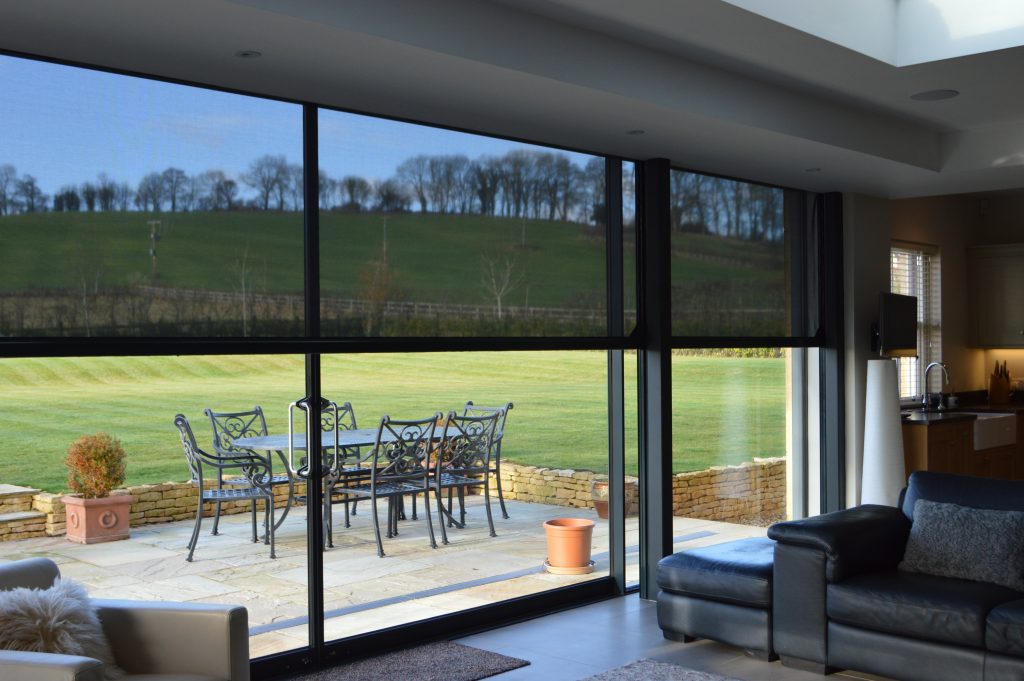
Discreet privacy screens offer a more flexible approach to managing visibility without permanently altering the character of a space. Unlike traditional solutions that remain visible at all times, retractable privacy screens can be deployed when needed and concealed when not in use.
This flexibility allows homeowners to respond to changing conditions throughout the day while preserving the architectural qualities of the home.
Supporting day-to-day comfort
Privacy requirements often change depending on how a space is being used. Morning sunlight, evening entertaining, working from home or relaxing with family may all create different comfort needs. Retractable privacy screens allow homeowners to adapt spaces accordingly, introducing additional privacy when required without permanently enclosing the environment.
Maintaining views and natural light
One of the advantages of modern privacy mesh systems is their ability to provide a degree of privacy while still allowing natural light to enter the space. Rather than creating a complete visual barrier, they can help soften visibility and improve comfort while maintaining a sense of openness. This balance is particularly valuable in homes designed around natural light and outdoor connections.

Supporting better indoor-outdoor living
Indooroutdoor living continues to be one of the most desirable aspects of contemporary residential design. Large sliding doors, bifold systems and expansive glazed walls help create seamless transitions between interior and exterior spaces.
However, these features are most successful when homeowners feel comfortable using them regularly. If a space feels exposed or overlooked whenever doors are opened, occupants may naturally limit how often they use these connections.
Discreet screens can help support greater confidence and usability, allowing homeowners to enjoy fresh air, outdoor views and open living without feeling unnecessarily exposed.
Privacy, ventilation and comfort
Privacy is often discussed separately from ventilation, yet the two are closely linked. When homeowners feel comfortable opening windows and doors, they are more likely to benefit from natural airflow throughout the home.
Improved ventilation can contribute to:
- Better indoor comfort
- Reduced heat build-up
- Improved air circulation
- Enhanced enjoyment of living spaces during warmer weather
By supporting both privacy and airflow, retractable screening systems can contribute to a more comfortable and adaptable living environment.
Preserving architectural intent
One of the key challenges in residential design is introducing practical solutions without compromising aesthetics. Contemporary architecture often relies on clean lines, minimalist detailing and carefully framed views. Visible additions that interrupt these features can detract from the overall design.
This is why discreet screens have become increasingly popular within modern homes. When integrated thoughtfully, they remain largely hidden when not required, preserving clean sightlines and allowing architectural features to remain the focus. The result is a solution that enhances functionality without competing with the design itself.
A more refined approach to residential privacy
As expectations around residential comfort continue to evolve, homeowners are looking beyond traditional privacy measures. Rather than closing off spaces or reducing natural light, they increasingly want solutions that support openness, flexibility and everyday usability.
Privacy screens for homes offer a more refined approach, helping homeowners enjoy bright, connected living environments while maintaining the comfort and privacy needed for daily life.
Creating homes that feel both open and comfortable
The best contemporary homes balance multiple priorities at once. They maximise light while maintaining comfort. They encourage indoor-outdoor living while supporting privacy. They create openness without sacrificing usability.
By considering privacy as part of the overall living experience rather than an isolated design challenge, homeowners can create spaces that feel both welcoming and practical. Discreet retractable privacy screens, privacy mesh systems and carefully integrated home privacy solutions can all contribute to this balance, helping homes remain open, light-filled and enjoyable throughout the year while preserving the architectural intent that makes them unique.
Other Posts
Industry News

Insect News

Insect News
Our solutions
Explore more products in our range


